
Fuse Solutions for Energy Storage Systems (ESS)
Application-based ESS fuse selection and supply for battery packs, battery racks, DC bus, combiner cabinets, and PCS protection.
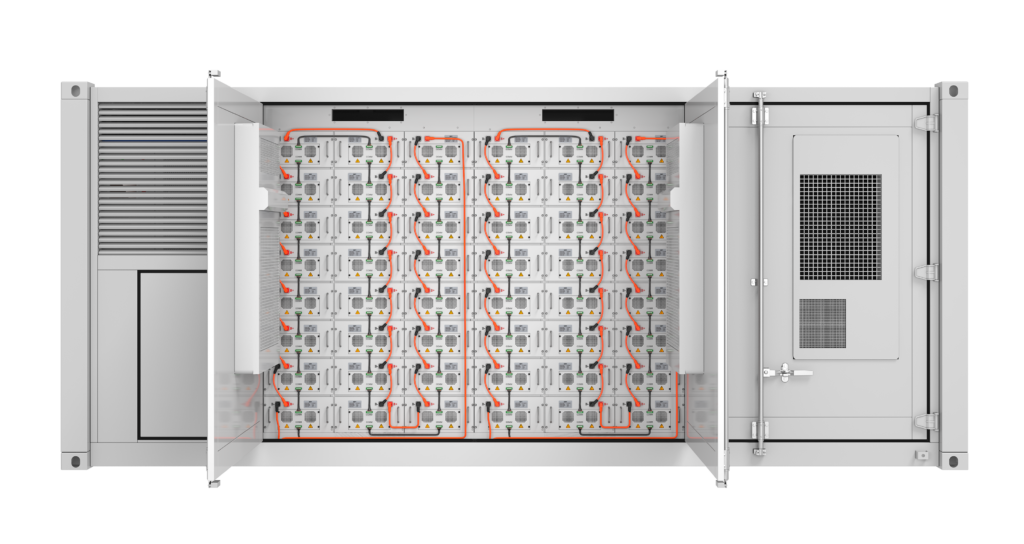
Where Fuses are Used in ESS
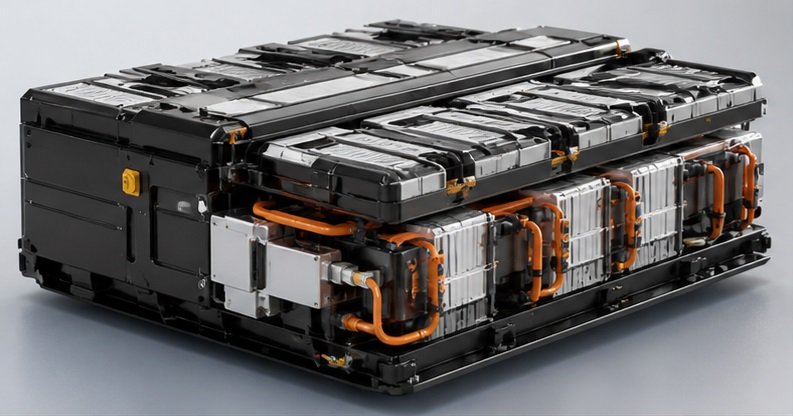
Battery Pack / Module Protection
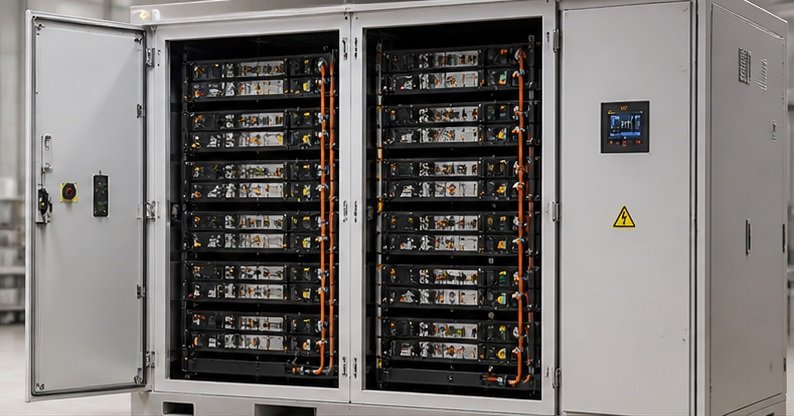
Battery rack protection
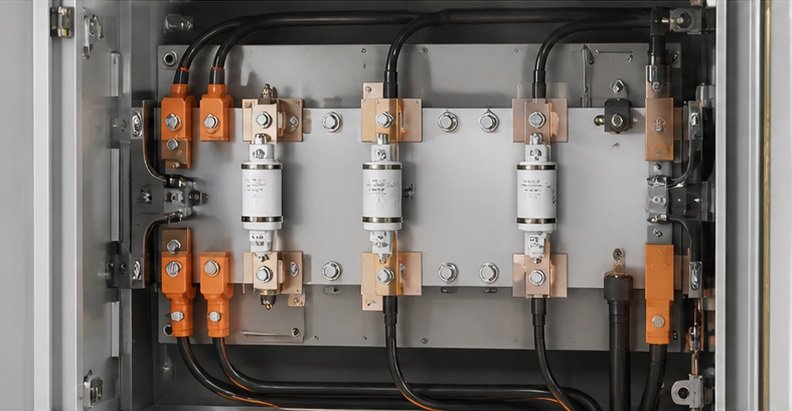
DC bus / combiner protection
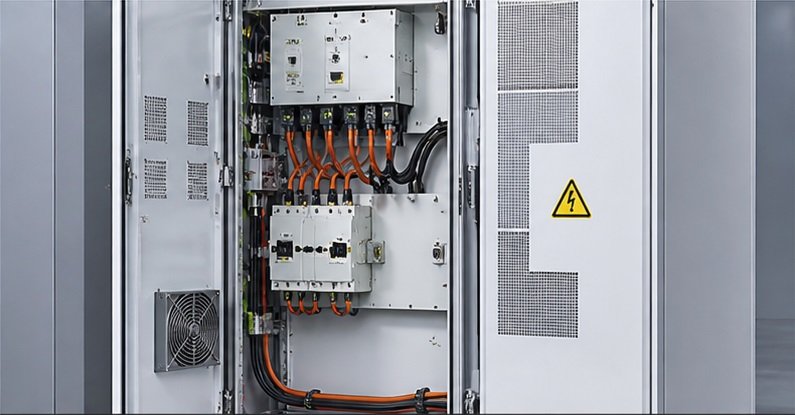
PCS / Inverter Protection
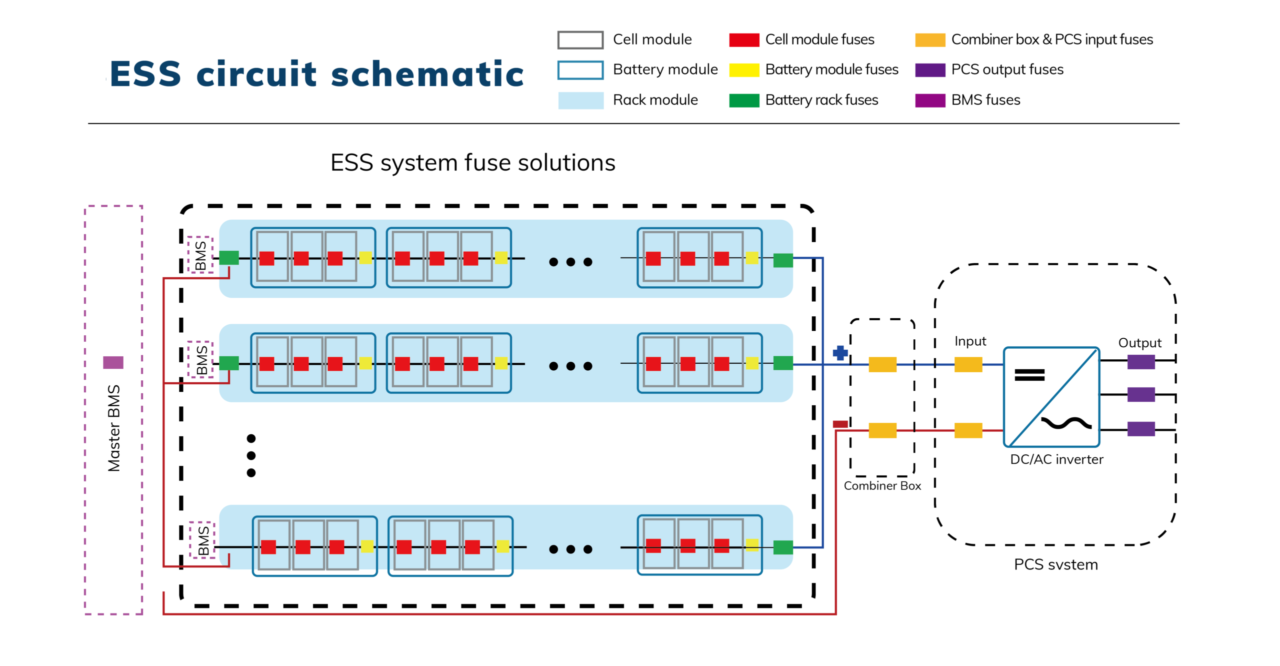
How to Choose the Right Fuse for ESS Applications
Selecting the right fuse for energy storage systems requires more than just matching current ratings.
It involves system voltage, fault conditions, installation location, and protection coordination.
1
Identify the Installation Point
Fuse requirements vary depending on where the fuse is installed within the ESS system.
Typical locations include battery packs, battery racks, DC bus, combiner cabinets, and PCS, each requiring different protection characteristics.
2
Define Electrical and Fault Conditions
Fuse selection must be based on system voltage, continuous current, and available fault current.
These parameters determine the required fuse rating, breaking capacity, and performance under fault conditions.
3
Match Fuse Type and Coordination
Different ESS applications require different fuse characteristics, such as high-speed protection for semiconductors or battery protection for DC circuits.
Proper coordination with contactors and other protection devices is essential for system safety.
Find ESS Fuse Products by Application
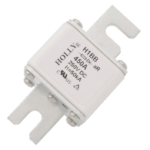
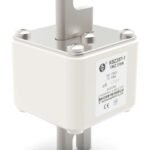
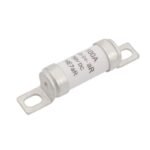
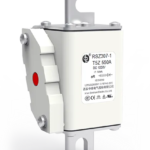
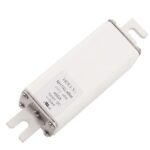
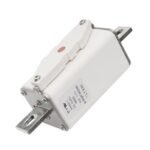
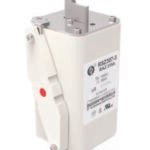
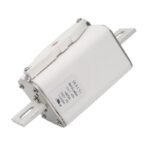
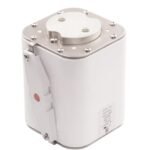
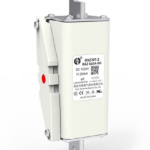
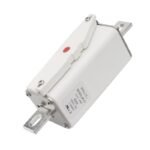
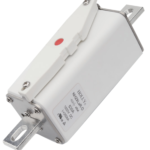
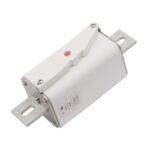
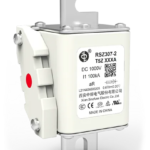
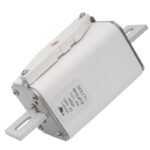
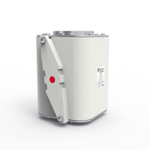
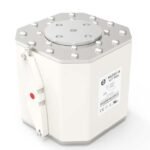
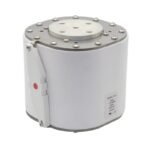
Browse ESS fuse options by installation point, including battery packs, high-voltage circuits, and PCS protection.
These models represent a selection of our ESS fuse range. Additional options are available based on your application requirements.
How We Help You Choose the Right ESS Fuse
Tell Us Your Application
Share your system details, including voltage, current, and installation point.
Analyze & Compare Options
We evaluate different fuse types across brands based on your requirements.
Get 3–5 Matched Options
Receive recommended fuse options with technical support for your selection.
Frequently Asked Questions
What information is needed for accurate fuse selection?
Basic information such as voltage, current, and application allows us to start the selection.
More detailed parameters — such as fault levels, system configuration, and operating conditions — help ensure a more accurate and reliable match.
How do I know if the fuse I’m using is correctly selected?
Many systems operate normally until a fault occurs — incorrect fuse selection often only becomes visible under real fault conditions.
We help verify whether your current selection is appropriate for your system.
How fast can we get a recommendation?
In most cases, we can provide initial recommendations within 24 hours after receiving your application details.
Do you only supply fuses, or also support selection?
We support both.
Our focus is to help you select the right fuse based on your application, not just supply products.
Can incorrect fuse selection cause system issues?
Yes.
Improper fuse selection may lead to failure to clear faults or unnecessary system shutdown.
Can you review our existing design or fuse specification?
Yes.
We can review your current design and suggest improvements or alternative options if needed.