
Fuse Solutions for Wind Power Systems
Select the right fuse for wind turbine converters, generators, pitch systems, and auxiliary circuits — based on voltage level, current load, fault conditions, and installation point.

Where Fuses are Used in Wind Power Systems
Fuses play a critical role in protecting key circuits in wind turbines and supporting systems, ensuring safe operation, high reliability, and continuous power generation.
Generator & Converter Protection
Protect generators, converters, and DC link circuits in the wind turbine power conversion chain.
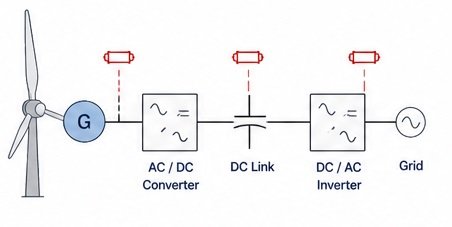
- Protect generator output and feeder circuits
- Protect rectifiers, DC link, and inverters
- Withstand high fault currents
- Support wide voltage and current range
Pitch System Protection
Protect pitch motors, control units, and power supplies to ensure safe blade control.
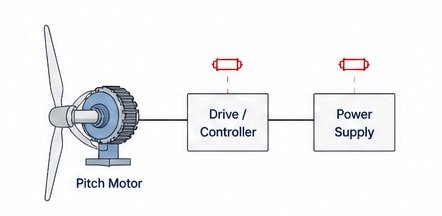
- Protect pitch motors and drive circuits
- Prevent short circuit and overcurrent
- Ensure reliable and precise pitch control
- Compact solution for harsh environments
Auxiliary & Control Circuit Protection
Protect auxiliary power systems, control circuits, and communication equipment.
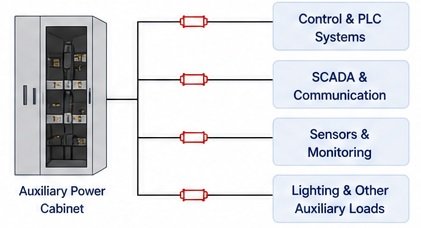
- Protect auxiliary power and control circuits
- Ensure system reliability and reduce downtime
- Various current ratings and form factors
- Easy integration and maintenance
Wind Power Fuse Product Range
Explore fuse options for wind turbine converters, generator-side circuits, pitch systems, auxiliary power, and AC distribution protection.
These models represent a selection of our wind power fuse range. Additional ratings and configurations are available based on turbine system requirements.
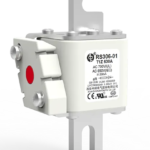
690V AC high-speed fuse for protection of semiconductor devices in converter circuits.
Current: 63A – 400A
Category: aR
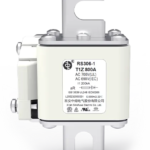
690V AC aR fuse for protection of semiconductor devices in conversion systems.
Current: 100A – 630A
Category: aR
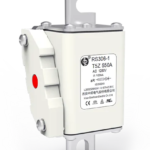
1250V AC high-speed fuse for semiconductor protection in high-voltage converter applications.
Current: 160A – 550A
Category: aR
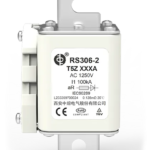
1250V AC high-speed fuse for protection of rectifiers, inverters, and converter circuits.
Current: 150A – 600A
Category: aR
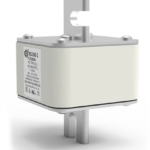
690V AC high-speed fuse for high-current semiconductor protection in converter systems.
Current: 500A – 1600A
Category: aR
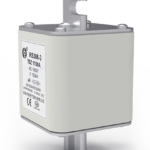
1250V AC high-speed fuse for high-power semiconductor protection in industrial and wind converter systems.
Current: 500A – 1400A
Category: aR
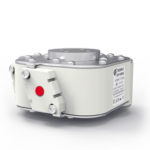
1250V AC high-speed fuse for heavy-duty semiconductor protection in large power conversion systems.
Current: 630A – 2000A
Category: aR
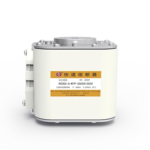
1250V AC high-speed fuse for high-power converter protection with high breaking capacity.
Current: 1250A – 2500A
Category: aR
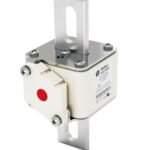
690V AC high-speed fuse for protection of semiconductor devices in medium to high-power converter circuits.
Current: 200A – 800A
Category: aR
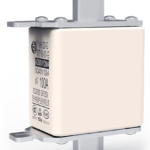
690V AC general-purpose fuse for protection of low-voltage circuits and auxiliary systems.
Voltage: AC 690V
Current: 2A – 160A
Category: gG
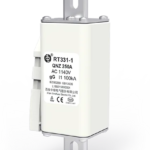
1140V AC general-purpose fuse for protection of power distribution and auxiliary circuits.
Current: 50A – 250A
Category: gG
How to Choose the Right Fuse for Wind Power Systems
Select the appropriate fuse based on system architecture, installation point, and protection requirements in wind turbine applications.
1. Identify Installation Point
Determine where the fuse is applied within the wind power system:
- Generator output and feeder circuits
- Converter and DC link circuits
- Pitch system and drive circuits
- Auxiliary power and control circuits
- Different locations require different protection characteristics
2. Determine Fuse Rating and Type
Select the fuse based on actual operating conditions:
- System voltage (e.g. 690V / 1140V / 1250V AC)
- Continuous current and overload conditions
- Prospective short-circuit current
- Use appropriate fuse types (e.g. aR for semiconductor protection, gG for general circuit protection)
3. Verify Application Compatibility
Ensure the fuse operates correctly within the protection system:
- Rated voltage and breaking capacity match system requirements
- Coordination with contactors and upstream/downstream protection
- Consider installation conditions (temperature, enclosure, vibration)
- Compliance with relevant standards (e.g. IEC / UL for AC applications)
How We Help You Select the Right Fuse for Wind Power Systems
Share Your System Requirements
Tell us about your wind turbine application, including installation location, system voltage and current, and key circuit type such as generator, converter, pitch system, or auxiliary circuits. If available, details on fault levels or existing protection setup will help us better understand your requirements.
Engineering-Based Selection
Based on your inputs, we evaluate operating conditions and identify suitable fuse options. This includes analyzing protection requirements, AC/DC voltage levels, and coordination with converters, contactors, and other protection devices to ensure reliable system performance.
Receive Verified Options
You will receive a set of technically matched fuse options, typically 3 to 5 choices, along with clear explanations to support your decision. We also assist with sample arrangements and quotation to help move your project forward efficiently.
Frequently Asked Questions
What information is needed for accurate fuse selection?
Basic information such as voltage, current, and application allows us to start the selection.
More detailed parameters — such as fault levels, system configuration, and operating conditions — help ensure a more accurate and reliable match.
How do I know if the fuse I’m using is correctly selected?
Many systems operate normally until a fault occurs — incorrect fuse selection often only becomes visible under real fault conditions.
We help verify whether your current selection is appropriate for your system.
How fast can we get a recommendation?
In most cases, we can provide initial recommendations within 24 hours after receiving your application details.
Do you only supply fuses, or also support selection?
We support both.
Our focus is to help you select the right fuse based on your application, not just supply products.
Can incorrect fuse selection cause system issues?
Yes.
Improper fuse selection may lead to failure to clear faults or unnecessary system shutdown.
Can you review our existing design or fuse specification?
Yes.
We can review your current design and suggest improvements or alternative options if needed.