
DC Fuse Solutions for PV Systems
Select PV fuse solutions based on system voltage, current level, fault characteristics, parallel strings, and installation point across the DC side of photovoltaic systems.

Where Fuses are Used in PV Systems
Fuses are applied at different points along the DC circuit to protect equipment and cables from overcurrent and short circuits.

1 PV String Protection
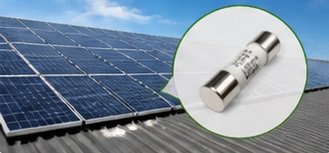
Protects individual PV strings from reverse current and overcurrent faults in parallel string configurations.
2 Combiner Box Protection
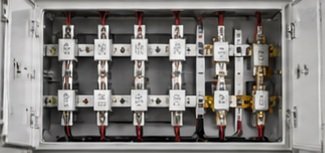
Fuses in combiner boxes protect aggregated string circuits and help prevent fault propagation across parallel connections.
3 Distribution Protection
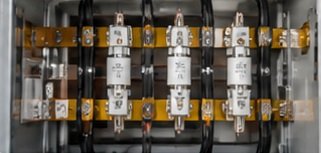
Provides protection for DC busbars, cables, and main circuits between combiner boxes and inverter systems.
4 Inverter Protection
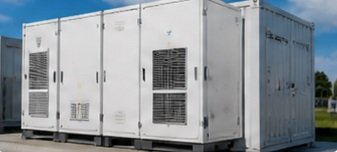
Ensures reliable protection at the inverter DC input and supports safe operation of power conversion systems.
How to Choose the Right PV Fuse
Select the correct fuse based on system parameters, installation location, and protection requirements.
1
Identify Installation Point
Determine where the fuse will be used in the PV system:
- PV string, combiner, or inverter DC input
- Different locations require different protection functions
- Identify whether the fuse is for reverse current or overcurrent protection
2
Determine Fuse Rating and Type
Select the appropriate fuse based on system conditions:
- For string protection, fuse rating is typically ≥ 1.25 × Isc
- Consider reverse current from parallel strings and fault levels
- Select the correct fuse type (e.g. gPV) for DC applications
3
Verify Application Compatibility
Ensure the selected fuse meets system and safety requirements:
- Rated for DC voltage (1000V / 1500V) and breaking capacity
Compliant with relevant PV fuse standards (IEC 60269-6 or UL 248-19)
- Coordinated with upstream and downstream protection devices
Find PV Fuse Products by Application
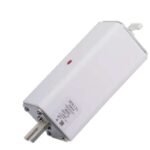
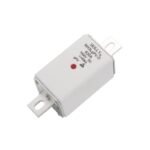
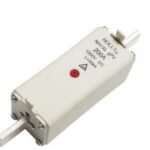
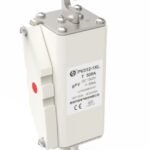
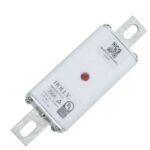
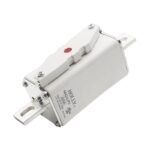
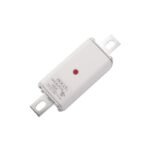
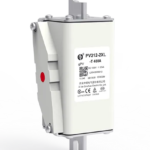
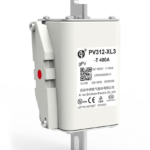
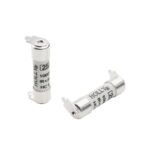
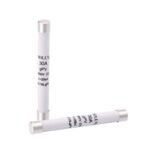
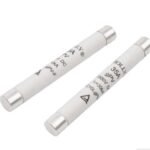
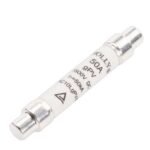
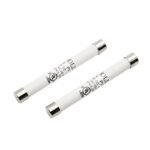
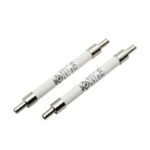
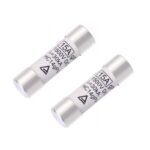
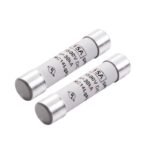
Browse ESS fuse options by installation point, including battery packs, high-voltage circuits, and PCS protection.
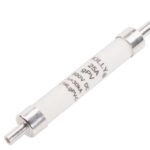
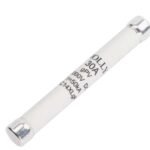
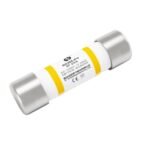
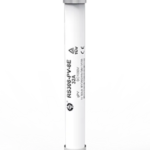
These models represent a selection of our ESS fuse range. Additional options are available based on your application requirements.
How We Help You Choose the Right PV Fuse
Share Your System Requirements
Provide key system details such as voltage, current, application point, and number of parallel strings.
Engineering-Based Selection
We analyze your system configuration and compare suitable fuse options across multiple brands, based on real application requirements.
Receive Verified Options
Get 3–5 technically matched fuse options, with clear selection rationale and support for your final decision.
Frequently Asked Questions
What information is needed for accurate fuse selection?
Basic information such as voltage, current, and application allows us to start the selection.
More detailed parameters — such as fault levels, system configuration, and operating conditions — help ensure a more accurate and reliable match.
How do I know if the fuse I’m using is correctly selected?
Many systems operate normally until a fault occurs — incorrect fuse selection often only becomes visible under real fault conditions.
We help verify whether your current selection is appropriate for your system.
How fast can we get a recommendation?
In most cases, we can provide initial recommendations within 24 hours after receiving your application details.
Do you only supply fuses, or also support selection?
We support both.
Our focus is to help you select the right fuse based on your application, not just supply products.
Can incorrect fuse selection cause system issues?
Yes.
Improper fuse selection may lead to failure to clear faults or unnecessary system shutdown.
Can you review our existing design or fuse specification?
Yes.
We can review your current design and suggest improvements or alternative options if needed.