
DC Fuse Solutions for EV Charging Stations
Protecting DC power paths in charging stations — including rectifiers, DC buses, and fast-charging modules — under high current and fault conditions.

Where Fuses are Used in Charging Stations
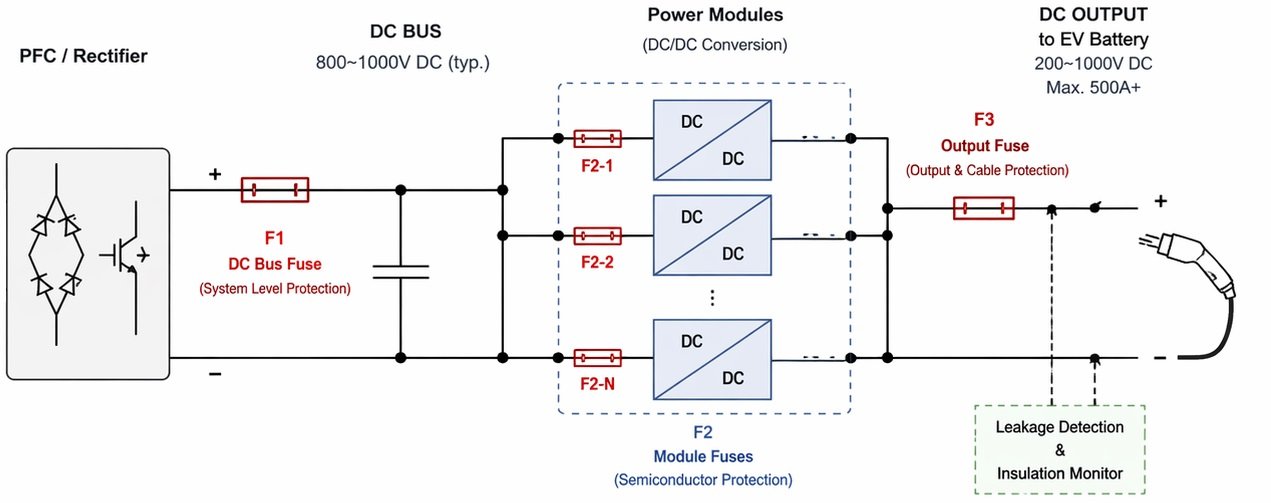
Fuses in charging stations are placed at key points along the DC power path to isolate faults, protect critical components, and ensure system safety under high-current conditions.
DC Bus Protection
Protects the main DC bus and upstream rectifier from high-energy faults at system level. Typically installed between the rectifier output and DC bus, where fault current is highest.
Power Module Protection
Protects sensitive semiconductor devices inside each DC/DC power module. High-speed fuses are used to interrupt faults quickly and prevent damage to IGBT or SiC components.
Output & Cable Protection
Protects the charging cable, connector, and downstream connection to the vehicle. Ensures safe power delivery and prevents damage under short-circuit or abnormal conditions.
Charging Station Fuse Product Range
Explore DC fuse options for EV charging stations, including power modules, DC bus circuits, output protection, and high-power charging systems.
These models represent a selection of our EV charging fuse range. Additional ratings and configurations are available based on your charging system requirements.
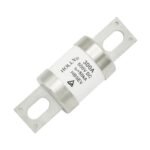
500V DC high-speed fuse for semiconductor and DC circuit protection in EV charging stations.
Current: 50A – 400A
Category: aR
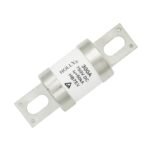
750V DC high-speed fuse for semiconductor and DC circuit protection in EV charging stations.
Current: 50A – 400A
Category: aR
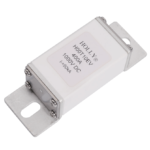
1000V DC aR fuse for power module and DC circuit protection in EV chargers.
Current: 50A – 400A
Category: aR
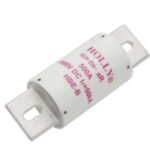
1000V DC high-speed fuse for high-power EV charging protection.
Current: 150A – 600A
Category: aR
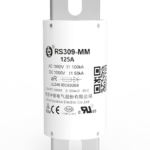
1000V DC high-speed fuse for DC bus and power conversion protection in EV charging stations.
Current: 50A – 800A
Category: aR
How to Select the Right Fuse for Charging Stations
Select the appropriate fuse based on system architecture, electrical parameters, and the specific protection requirements at each point in the charging system.
1. Identify Installation Point
Determine where the fuse is applied within the charging system, as protection requirements vary by location.
Typical positions include the DC bus, power module input, and output stage.
- DC bus → system-level protection with high fault energy
- Power module → semiconductor protection (IGBT / SiC)
- Output stage → cable and connector protection to EV
2. Determine Fuse Rating and Type
Select the fuse based on system voltage, current profile, and expected fault conditions.
- Match DC voltage rating to system level (e.g. 800V / 1000V / 1500V)
- Size current rating based on continuous load and overload conditions
- Select fuse type: high-speed (aR) for modules, full-range DC for system/output
3. Verify Application Compatibility
Ensure the selected fuse works reliably within the overall protection system.
- Verify breaking capacity against the maximum prospective fault current
- Ensure proper coordination and selectivity within the protection scheme
- Consider derating factors such as ambient temperature and enclosure conditions
How We Help You Select the Right Fuse
Share Your System Requirements
Tell us your system parameters, including voltage level, current, application point, and system architecture. We focus on real operating conditions — not just nominal ratings.
Engineering-Based Selection
Our team evaluates your application and compares suitable fuse options across multiple brands. We consider protection level, fault characteristics, and coordination with your system design.
Receive Verified Options
Get 3–5 technically matched fuse options, with clear selection logic and support for your final decision. Sampling and quotation are available upon request.
Frequently Asked Questions
What information is needed for accurate fuse selection?
Basic information such as voltage, current, and application allows us to start the selection.
More detailed parameters — such as fault levels, system configuration, and operating conditions — help ensure a more accurate and reliable match.
How do I know if the fuse I’m using is correctly selected?
Many systems operate normally until a fault occurs — incorrect fuse selection often only becomes visible under real fault conditions.
We help verify whether your current selection is appropriate for your system.
How fast can we get a recommendation?
In most cases, we can provide initial recommendations within 24 hours after receiving your application details.
Do you only supply fuses, or also support selection?
We support both.
Our focus is to help you select the right fuse based on your application, not just supply products.
Can incorrect fuse selection cause system issues?
Yes.
Improper fuse selection may lead to failure to clear faults or unnecessary system shutdown.
Can you review our existing design or fuse specification?
Yes.
We can review your current design and suggest improvements or alternative options if needed.